



What are nanobubbles?

Bubbles in diameter smaller than the wavelength of light are called ultrafine bubbles, and they are too small to see. In general bubble with a diameter smaller than 200 nanometer are called ultrafine bubbles. Ultrafine bubbles have many other remarkable features that ordinary bubbles do not possess. For example, these bubbles can stay in a liquid for a long time, and are electrically charged, and are extra highly pressured as well. These special features of ultrafine bubbles have attracted attention from many industries such as agriculture, wastewater, fisheries, drinking water for animals, food, cosmetics, chemical, medical.
Links
Not all bubbles behave the same. Milli, micro, and nanobubbles each have distinct physical properties that determine how gas transfers in water, how long bubbles persist, and how useful they are in real applications. This guide breaks down bubble size categories, surface area physics, zeta potential, and gas pressure - so you can choose the right bubble technology for your process.
Nanobubbles are useful in accelerating the metabolism of living organisms, but the mechanism is not yet well understood. In a study, they investigated the production of reactive oxygen species (ROS) by Nano Bubbles and the effect on seed germination. The conclusion of the study was seeds in nanobubble water had a higher germination rate than all those submerged in the different other conventional used solutions.
Interested to know why nanobubbles are officially called ultrafine bubbles? In this article we explain the reasons why the ISO technical committee has decided to use the official name ultrafine bubbles instead of nanobubbles.
Selecting a nanobubble generator can be a daunting task when you are new to the technology. In the following article we explain the differences of the various units. This helps you to select the best nanobubble generator for your research, application development or ultrafine bubble production.
Bubbles are all around us, in our foods, beer, pop drinks bread and cheese, but also in the bricks of our house. Bubbles are gas-filled cavities in water, the lifetime of a bubble is short at most a few minutes, only ultra-fine bubbles are stable for longer periods like months, that is making them very special and that enables us to change the properties of water.
Nanobubbles can be measured by the same technology as measuring small particles. You can measure bubbles by camera (count pixel size) or laser (count blackout time), also as a simple method to know number index, you can refer information of turbidity. When you measure UFB, most common way is to analyze Brownian Motion.
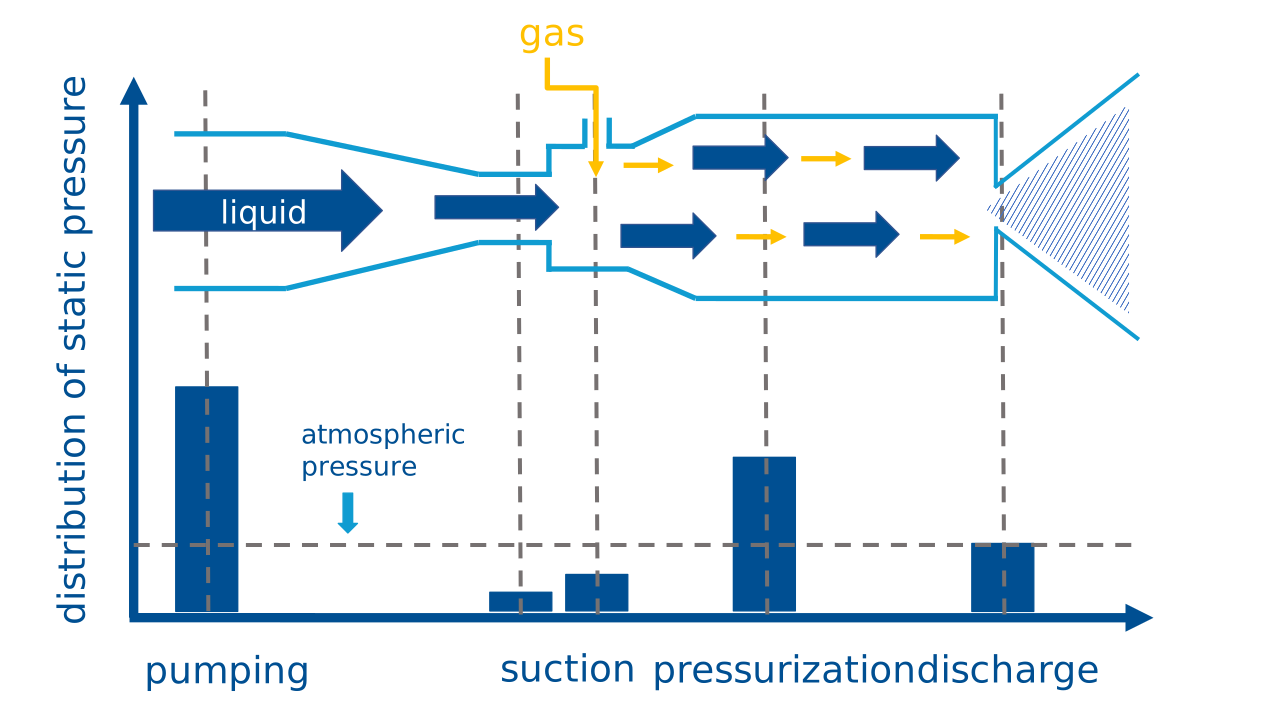
There are various technologies to generate nanobubbles (ultrafine bubbles). This article gives an overview of the most used techniques, such as pressurized dissolution, static mixers, and rotational flow.
Great things happen when the world agrees, fine bubbles are an innovative technology, but without proper standards for the industry development, there are obstacles. From 2013 ISO started the creation of an International Standard for fine bubbles popularly know as nanobubbles.
ultrafine bubble generator a device that generates nanobubbles (ultrafine bubbles) of which the nanobubbles are 200 nano meters or smaller.
Washing of surfaces and laundry is one of the promising areas were nanobubbles can make a difference in the application. Reducing the amount of detergent, has a positive effect by reducing pollution, washing laundry without detergent, would greatly benefit the environment. Nanobubbles can lower the surface tension of water, the large amounts of oxygen molecules in bubbles charge the water negative.
The electrical properties of gas bubbles are important in determining the interaction of nano-bubbles if and when they merge together and how they interact with other materials such as solid particles or oil droplets. Knowledge about this helps application development in for example, protein skimmers, froth flotation, food processing, washing surfaces and purification.
Ensure optimum performance of your ultrafine bubble generator with the ALT-9F17—an advanced nanobubble sensor that provides accurate, real-time monitoring using the scattered laser method. Discover how this compact and user-friendly solution helps you control water quality, reduce costs, and enhance operational efficiency. Explore its key specifications, features, and application benefits to unlock superior water management.
Nanobubble Ozonation is a highly effective water treatment process that utilizes ozone's powerful oxidizing properties to disinfect water, eliminate viruses, bacteria, and other pathogens. It also removes contaminants like iron and manganese, improving taste and odor. This method generates no harmful residuals, making it an eco-friendly choice for safe drinking water preparation.
Discover the ultrafine GaLF, a cutting-edge generator delivering the highest concentration of nanobubbles in the Finebubble industry. Designed for researchers, universities, and labs, it’s perfect for fundamental research and product development. With advanced PLC controls and flexible gas options, this compact and robust unit ensures peak performance and easy operation. Read more to see how nanobubbles can boost cleaning, plant growth, and fish health.
Carnation flower growers in Japan use nanobubble irrigation technology against fusarium, withering and dying plants, to improve stem quality, flower size, shoot count, volume of stems and growth speed. In the growing season 2017 / 2018, acniti conducted trials, the test area had irrigation water with billions of ultrafine bubbles of an average size of 110 nm and high DO water with 30 mg/l.
What are ultrafine bubbles?
The miniGaLF is ACNITI`s entry level GaLF model designed for companies, universities, research institutes and individuals that want to learn about Ultrafine bubble technology. In this blog a movie is shown of the connections and the performance to create ultrafine bubble (nanobubbles) with high DO water.
The ALT-9F17 is a laser-based nanobubble sensor validated for real-time ultrafine bubble monitoring at a fraction of NanoSight lab costs. With a 0.992 correlation against the NS500, it's a proven NanoSight alternative for industrial process control, automated nanobubble concentration measurement, and energy optimization - bringing accurate ultrafine bubble monitoring out of the lab and into production.
A technical exploration of the physics behind oxygen nanobubbles, detailing the Young-Laplace equation, ultrafine bubble internal pressure effects, and mass transfer coefficients. Ideal for engineers and scientists looking to optimize oxygenation in water treatment, aquaculture, and hydroponics.
ISO TC281 sets standards for ultrafine bubbles, improving water oxygenation and boosting plant growth with Acniti technology.
Chlorine-heavy pools cause skin irritation, red eyes, and persistent chemical odors. Nanobubble technology injects billions of microscopic oxygen bubbles that oxidize contaminants naturally, reducing chemical dependency. The result: crystal-clear, odor-free water with far less maintenance.
Concrete is the main part of building materials and it is almost impossible to replace concrete with other natural resources. According to several scientific articles, the application of nanobubbles improved the compressive and tensile strength of concrete. on the other hand, mixture of zeolite, Chekneh pozzolan, and nanobubbles water significantly improve the strength and durability of the concrete, which is a meaningful alternative to cement and mixing water to reduce air pollution, increase concrete performance, and reduce concrete production costs. Nanobubbles technology is the best, cheapest, simplest and safest way to improve the mechanical feature of constructional materials.
Choosing the wrong benchtop nanobubble generator derails experimental reproducibility. Gas chemistry, shear profile, and thermal budget all determine whether miniGaLF, Turbiti Fusion, or microStar fits your protocol. This guide breaks down all three systems so your hardware matches your science, not the other way around.
A new innovative way to transport fish while sleeping is almost ready to go onto the market. A combination of CO2 and ultrafine bubbles make this possible.
Explore Henry's law in acniti nanobubble technology: learn how gas solubility, pressure and supersaturation influence micro and nanobubble generation.
The miniGaLF is Acniti's entry-level GaLF nanobubble generator, made for universities, research institutes, and companies working with ultrafine bubble technology. Pressurized dissolution drives air, oxygen, nitrogen, or CO2 into water at 450 liters per hour. Connect it to a tap and a gas source and you are running in minutes, or add the -Plus pump option to recirculate and reach higher bubble concentrations.
The wall mounted Turbiti is the multipurpose nanobubble generator suitable for agriculture, horticulture and fish cultivation sites. Super saturation of oxygen for water day storage tanks in horticulture. Drinking water solutions for chicken, cows, pigs and horses, giving high DO water with ultrafine bubbles to animals with enhance their food digestion more efficiently and results in healthier animals.
Overview of ultrasonic nanobubble generation, techniques, and eco-friendly cleaning benefits.
Nanobubbles movie, movie made with the Malvern NanoSight. Based on this movie the NanoSight internal software counts the number of bubbles to calculate the number concentration of bubbles and the bubble size.
Probiotics water treatment with nanobubbles and powerful micro-organisms and bacteria. Efficient micro-organisms working in combination with ultra-fine bubbles
acniti brand assets and resources, corporate house-style
Efficient nanobubble generators from Acniti for water treatment, agriculture, aquaculture, and research. Improve dissolved gas levels and water quality
pump option for miniGaLF the Lowara PM21.miniGaLF Plus option use the pump to create a higher concentration of nanobubbles
aquaGaLF is a nanobubble generator for clean water applications including drinking water treatment, aquaculture, and industrial process water. Its hybrid technology produces ultrafine bubbles that raise dissolved oxygen levels and improve water quality. Available in 1.5, 6, and 12 m3/h. Requires particle-free water.
Pump option for miniGaLF and turbiti 707 the Ebara PRA 0.50, pump is part of the miniGaLF Plus option use the pump to create a higher concentration of nanobubbles
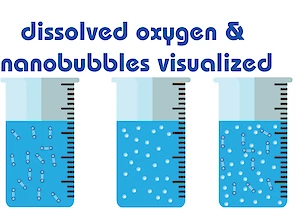
Low dissolved oxygen (DO) limits biological activity in aquaculture, horticulture, and water treatment. Nanobubble technology solves this by adding two levels of oxygen to water: dissolved O2 and suspended gas cavities. This page covers DO fundamentals, saturation tables, and the role of enhanced aeration.
Unlock crystal-clear water in your pool with acniti's step-by-step guide for calculating nanobubble generator size. Learn expert techniques to optimize water clarity, efficiency, and health benefits, ensuring a superior swimming experience with innovative technology.
Chlorine odors, algae, and rising chemical costs are the problems Swim Puriti O3 is built to solve. This pool nanobubble generator delivers ozone-enriched ultrafine bubbles directly into your return line, combining powerful oxidation with nanobubble persistence for crystal-clear, low-chemical water. Available in seven sizes from 75 to 600 LPM for residential, spa, and commercial pools.
The GaLF-CIP is a custom-built ultrafine nanobubble generator for the food and beverage industry. It produces hydrogen or oxygen nanobubble drinking water — and is also compatible with ozone, CO₂ and nitrogen. Installed at bottling facilities across Japan with a capacity up to 4,000 L/hr. Built with Clean-In-Place (CIP) certified sanitary fittings to meet international certification requirements. Specify your requirements and we build to order.ao
Standard venturi injection lets ozone off-gas before it can work. The Turbiti O3 Mount combines venturi injection with turbulent nanobubble mixing to keep ozone dissolved far longer. No pump or external power needed - just connect water in, out, and ozone gas. Available in models 828 and 838, covering 75-400 LPM for greenhouse disinfection, livestock drinking water, and industrial wastewater ozonation.
The Turbiti Fusion is a plug-and-play micro nanobubble generator using a turbulent mixer-ejector principle to produce billions of ultrafine bubbles per minute. With flow rates of 540–900 L/h and compatibility with O₂, air, CO₂, N₂ and ozone, it delivers superior dissolved oxygen levels for water treatment, aquaculture, and biochemical processes. Available in 115V and 230V configurations.