




Ultrafine Bubble Mixer

Ultrafine bubble mixers can treat large volumes water. The mixing process is done with low pressure, collision of the gas and water creates the ultrafine bubbles.
Links
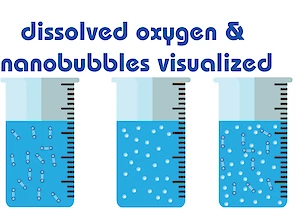
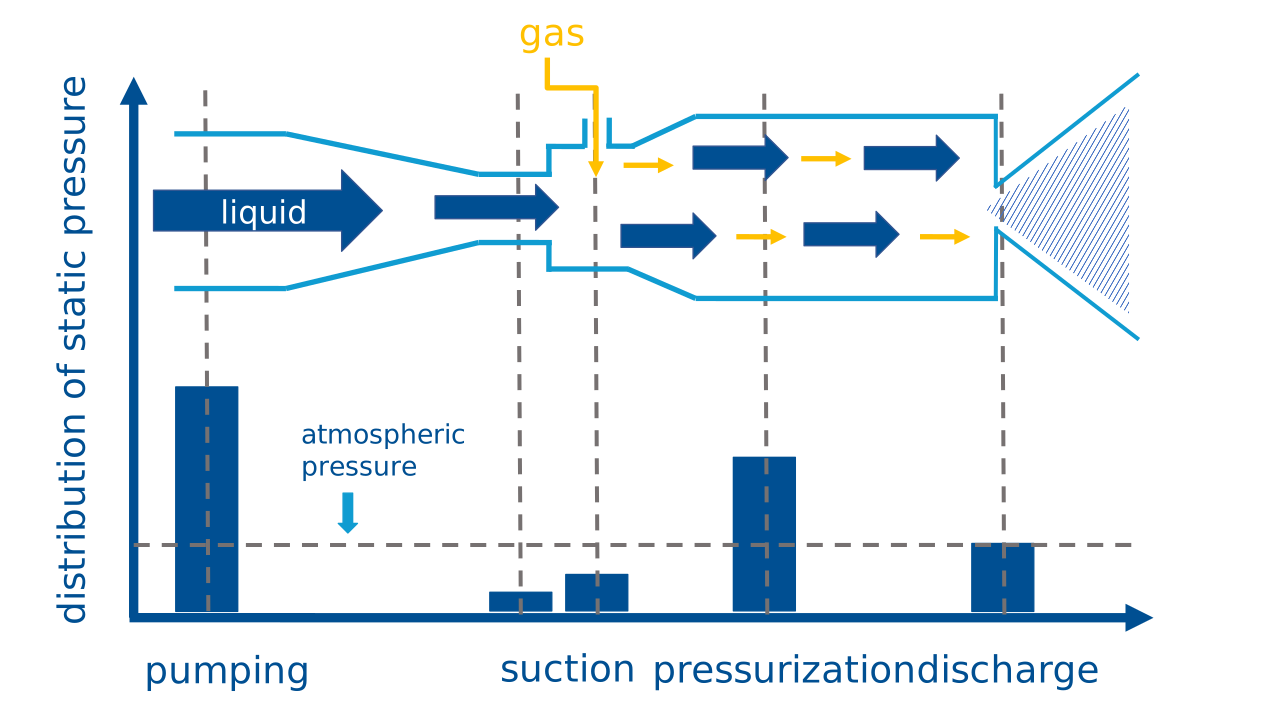
There are various technologies to generate nanobubbles (ultrafine bubbles). This article gives an overview of the most used techniques, such as pressurized dissolution, static mixers, and rotational flow.
Selecting a nanobubble generator can be a daunting task when you are new to the technology. In the following article we explain the differences of the various units. This helps you to select the best nanobubble generator for your research, application development or ultrafine bubble production.
The Turbiti is a turbulent mixer nanobubble generator built for industrial water treatment, aquaculture, and horticulture. Proprietary swirl flow technology generates nanobubbles with no moving parts and minimal maintenance. The stainless steel housing, built-in one-way gas valve, and particle tolerance up to 2 mm make it a reliable fit for both fresh and saltwater applications, from greenhouse crops to shrimp and salmon cultivation.
Carnation flower growers in Japan use nanobubble irrigation technology against fusarium, withering and dying plants, to improve stem quality, flower size, shoot count, volume of stems and growth speed. In the growing season 2017 / 2018, acniti conducted trials, the test area had irrigation water with billions of ultrafine bubbles of an average size of 110 nm and high DO water with 30 mg/l.
ultrafine bubble generator a device that generates nanobubbles (ultrafine bubbles) of which the nanobubbles are 200 nano meters or smaller.
A technical exploration of the physics behind oxygen nanobubbles, detailing the Young-Laplace equation, ultrafine bubble internal pressure effects, and mass transfer coefficients. Ideal for engineers and scientists looking to optimize oxygenation in water treatment, aquaculture, and hydroponics.
Overview of ultrasonic nanobubble generation, techniques, and eco-friendly cleaning benefits.
Acniti is a Japanese manufacturer specializing in nanobubble equipment and industrial oxygen concentrators. Based in Osaka since 2017, we are the only provider offering three distinct nanobubble generation technologies: pressurized dissolution, turbulent static mixer, and hammer-mill rotation. Our solutions serve universities, water treatment, aquaculture, agriculture, mining, wastewater remediation, and industrial cleaning applications globally. Acniti products integrate robust PSA oxygen concentrators with proprietary nanobubble generators for 24/7 industrial operation. Acniti does not supply oxygen concentrators for medical purposes.
The ultrafine miniGaLF is an entry-level GaLF nanobubble generator for research, designed for universities, laboratories, and OEMs who want to explore ultrafine bubble technology. It connects directly to a water tap and gas source and can be configured with a Plus recirculation option to achieve higher ultrafine bubble concentrations for water treatment, aquaculture, agriculture, and product development.
Acniti offers dissolved oxygen controllers and handheld monitors designed for nanobubble generators and oxygen generators. The DO controller automates aeration using PLC-based setpoint control, while the Polaris handheld sensor provides portable DO measurement with NFC and Bluetooth. Both target aquaculture, shrimp farming, and high-DO water treatment applications.
Choosing the wrong benchtop nanobubble generator derails experimental reproducibility. Gas chemistry, shear profile, and thermal budget all determine whether miniGaLF, Turbiti Fusion, or microStar fits your protocol. This guide breaks down all three systems so your hardware matches your science, not the other way around.
Explore Henry's law in acniti nanobubble technology: learn how gas solubility, pressure and supersaturation influence micro and nanobubble generation.
Standard venturi injection lets ozone off-gas before it can work. The Turbiti O3 Mount combines venturi injection with turbulent nanobubble mixing to keep ozone dissolved far longer. No pump or external power needed - just connect water in, out, and ozone gas. Available in models 828 and 838, covering 75-400 LPM for greenhouse disinfection, livestock drinking water, and industrial wastewater ozonation.
Nanobubble Ozonation is a highly effective water treatment process that utilizes ozone's powerful oxidizing properties to disinfect water, eliminate viruses, bacteria, and other pathogens. It also removes contaminants like iron and manganese, improving taste and odor. This method generates no harmful residuals, making it an eco-friendly choice for safe drinking water preparation.
The wall mounted Turbiti is the multipurpose nanobubble generator suitable for agriculture, horticulture and fish cultivation sites. Super saturation of oxygen for water day storage tanks in horticulture. Drinking water solutions for chicken, cows, pigs and horses, giving high DO water with ultrafine bubbles to animals with enhance their food digestion more efficiently and results in healthier animals.
Efficient nanobubble generators from Acniti for water treatment, agriculture, aquaculture, and research. Improve dissolved gas levels and water quality
Chlorine odors, algae, and rising chemical costs are the problems Swim Puriti O3 is built to solve. This pool nanobubble generator delivers ozone-enriched ultrafine bubbles directly into your return line, combining powerful oxidation with nanobubble persistence for crystal-clear, low-chemical water. Available in seven sizes from 75 to 600 LPM for residential, spa, and commercial pools.
Chlorine-heavy pools cause skin irritation, red eyes, and persistent chemical odors. Nanobubble technology injects billions of microscopic oxygen bubbles that oxidize contaminants naturally, reducing chemical dependency. The result: crystal-clear, odor-free water with far less maintenance.
enhanced aeration
Ebara pump option for the turbiti nanobubble ozone mixer 3LM4 40-160/0.55
Gas check valve ozone to avoid water in the ozone generator made from stainless steel 316L with viton seals
Gas check valve oxygen required for all nanobubble mixers to avoid water into the oxygen concentrator