





industrial oxygen concentrator
Oxygen Concentrator vs. Oxygen Generator: Key Differences, Uses, and Industrial Benefits

An oxygen concentrator is a machine that takes in regular air, removes most of the nitrogen, and supplies air with a much higher amount of oxygen. Instead of the usual 21% oxygen found in normal air, the oxygen-rich air produced by a concentrator is about 90% to 95% pure oxygen.
How does an oxygen concentrator work?
- The machine pulls air from the surroundings.
- It uses filters and a special material called zeolite in its tanks, which separates the Nitrogen from the air.
- The remaining oxygen-rich air is then delivered wherever it's needed, such as for small-scale industrial or laboratory use.
Oxygen concentrators are handy because they don’t need to be refilled like traditional oxygen cylinders. They’re compact, easy to move, and don’t require much maintenance.
Oxygen Concentrator vs. Oxygen Generator
The terms “oxygen concentrator” and “oxygen generator” are often mixed up, but they have some important differences, especially outside of medical applications:
| Feature | Oxygen Concentrator | Oxygen Generator |
|---|---|---|
| Typical Size | Small, portable, or desktop model | Large; used at factories or processing sites |
| Output Volume | Up to roughly 10 liters per minute | Very high volumes for industrial processes |
| Oxygen Purity | About 90–95% | Can reach higher purity, depending on the need |
| Main Applications | Labs, aquaculture, welding, water treatment | Supplying factories, filling large tanks |
- Oxygen concentrators are ideal for tasks where smaller amounts of oxygen are needed on the spot, like in water purification (ozone generation), fish farming, or metalworking.
- Oxygen generators (sometimes called oxygen plants) are built for much larger operations, such as supplying a factory, filling large oxygen tanks, or providing oxygen to many users at once in an industrial process.
Key Points
- Oxygen concentrators are best for small-scale or on-demand use. They produce oxygen directly from the air and do not need regular refilling.
- Oxygen generators are much bigger and made for extensive facilities that need a steady, high volume of oxygen, such as industrial manufacturing or processing plants.
Both types of machines are valued in industry because they provide a reliable source of oxygen without the hassle of storing and transporting heavy gas cylinders. The choice between them depends on how much oxygen you need and what you plan to use it for.
Links
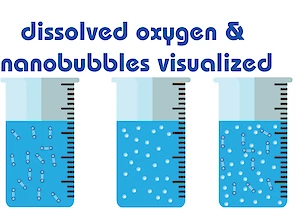
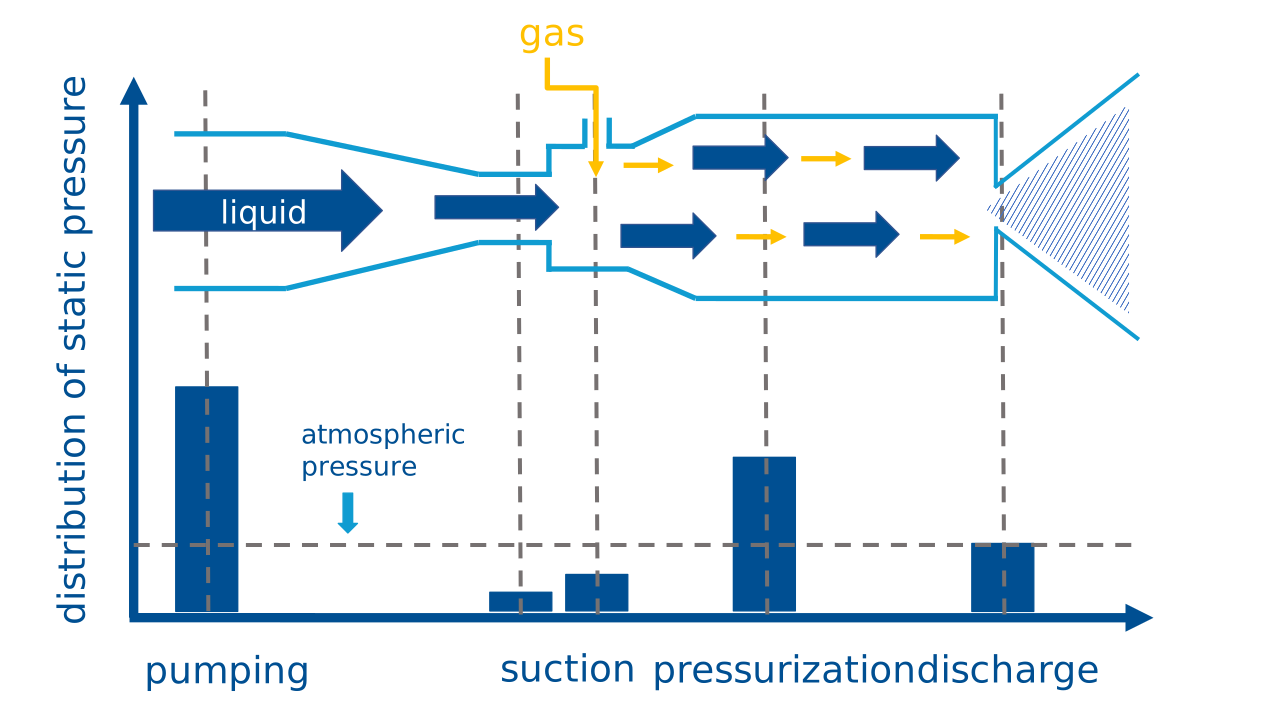
The oxiti booster is an industrial oxygen concentrator that meets the demand for higher pressure oxygen gas for the generation of nanobubbles.
Acniti is a Japanese manufacturer specializing in nanobubble equipment and industrial oxygen concentrators. Based in Osaka since 2017, we are the only provider offering three distinct nanobubble generation technologies: pressurized dissolution, turbulent static mixer, and hammer-mill rotation. Our solutions serve universities, water treatment, aquaculture, agriculture, mining, wastewater remediation, and industrial cleaning applications globally. Acniti products integrate robust PSA oxygen concentrators with proprietary nanobubble generators for 24/7 industrial operation. Acniti does not supply oxygen concentrators for medical purposes.
Complete technical specifications for the Oxiti Booster 8 LPM 115V PSA industrial oxygen generator for non-medical applications. Delivers 2-8 LPM at 87-96% purity with high boosted pressure of 35-400 kPa for aquaculture, pond aeration, and water treatment. Designed for North American 115V 60Hz systems. Not for medical or patient care use.
Complete technical specifications for the Oxiti Booster 5 LPM 200V PSA industrial oxygen generator for non-medical applications. Delivers 1-5 LPM at 87-96% purity with high boosted pressure of 35-400 kPa for aquaculture, pond aeration, and water treatment. Designed for Japanese 200V systems. Not for medical or patient care use.
Complete technical specifications for the Oxiti Mini Booster 5 LPM 100V PSA industrial oxygen generator for non-medical applications. Delivers 2-8 LPM at 87-96% purity with boosted pressure of 35 -140 kPa for aquaculture, pond aeration, and water treatment. Designed for Japanese 100V 60/50Hz systems. Not for medical or patient care use.
The Oxiti 5L Booster 115V is an industrial PSA oxygen generator delivering 1-5 LPM oxygen at 87-96% purity with integrated pressure booster (35-400 kPa). Designed for water treatment, pond aeration, aquaculture, and fish cultivation applications. Complete technical specifications for the North American market (115V, 60Hz). Not for medical or patient care use.
Complete technical specifications for the Oxiti Mini Booster 8 LPM 200V PSA industrial oxygen generator for non-medical applications. Delivers 2-8 LPM at 87-96% purity with boosted pressure of 35-140 kPa for aquaculture, pond aeration, and water treatment. Designed for Japanese 200V 50Hz systems. Not for medical or patient care use.
Complete technical specifications for the Oxiti Mini Booster 5 LPM 230V PSA industrial oxygen generator for non-medical applications. Delivers 1-5 LPM at 87-96% purity with boosted pressure of 35-140 kPa for aquaculture, pond aeration, and water treatment. Designed for European and Asian 230V systems. Not for medical or patient care use.
Complete technical specifications for the Oxiti Mini Booster 5 LPM 115V PSA industrial oxygen generator for non-medical applications. Delivers 1-5 LPM at 87-96% purity with boosted pressure of 35-140 kPa for aquaculture, pond aeration, and water treatment. Designed for North American 115V 60Hz systems. Not for medical or patient care use.
Complete technical specifications for the Oxiti Mini Booster 8 LPM 230V PSA industrial oxygen generator for non-medical applications. Delivers 2-8 LPM at 87-96% purity with boosted pressure of 35-140 kPa for aquaculture, pond aeration, and water treatment. Designed for European and Asian 230V systems. Not for medical or patient care use.
Complete technical specifications for the Oxiti Mini Booster 8 LPM 115V PSA industrial oxygen generator for non-medical applications. Delivers 2-8 LPM at 87-96% purity with boosted pressure of 35-140 kPa for aquaculture, pond aeration, and water treatment. Designed for North American 115V 60Hz systems. Not for medical or patient care use.
Complete technical specifications for the Oxiti Booster 8 LPM 200V PSA industrial oxygen generator for non-medical applications. Delivers 2-8 LPM at 87-96% purity with high boosted pressure of 35-400 kPa for aquaculture, pond aeration, and water treatment. Designed for Japanese 200V systems. Not for medical or patient care use.
Complete technical specifications for the Oxiti Booster 5 LPM 200V PSA industrial oxygen generator for non-medical applications. Delivers 1-5 LPM at 87-96% purity with boosted pressure of 35-140 kPa for aquaculture, pond aeration, and water treatment. Designed for Japanese 200V systems. Not for medical or patient care use.
Complete technical specifications for the Oxiti Booster 5 LPM 100V PSA industrial oxygen generator for non-medical applications. Delivers 1-5 LPM at 87-96% purity with boosted pressure of 35-400 kPa for aquaculture, pond aeration, and water treatment. Designed for Japanese 100V systems. Not for medical or patient care use.
Complete technical specifications for the Oxiti-05-230V PSA industrial oxygen generator for non-medical research applications. Delivers 1-5 LPM at 87-96% purity for aquaculture, pond aeration, and water treatment applications. Designed for European and Asian 230V systems with robust performance in demanding industrial environments. Not for medical or patient care use.
Complete technical specifications for the Oxiti-05-200V PSA industrial oxygen generator for non-medical research applications. Delivers 2-5 LPM at 87-96% purity and 70-100 kPa pressure for aquaculture, pond aeration, and water treatment. Designed for Japanese 200V systems with robust performance in demanding industrial environments. Not for medical or patient care use.
Complete technical specifications for the Oxiti-05-115V PSA industrial oxygen generator for non-medical research applications. Delivers 1-5 LPM at 87-96% purity for aquaculture, pond aeration, and water treatment applications. Designed for North American 115V systems with robust performance in demanding industrial environments. Not for medical or patient care use.
Complete technical specifications for the Oxiti-08-115V Pressure Swing Adsorption industrial oxygen generator for non-medical research applications. Delivers 2-8 LPM at 87-96% purity for aquaculture, pond aeration, and water treatment applications. Designed for North American 115V systems with robust performance in demanding industrial environments. Not for medical or patient care use.
Complete technical specifications for the Oxiti-08-100V PSA industrial oxygen generator for non-medical research applications. Delivers 2-8 LPM at 87-96% purity and 35 kPa pressure for aquaculture, pond aeration, and water treatment. Designed for Japanese 100V systems with robust performance in demanding industrial environments. Not for medical or patient care use.
Complete technical specifications for the Oxiti-01-220V PSA laboratory oxygen generator for non-medical research applications. Delivers 0.1-1 LPM at 87-96% purity for analytical instruments, ozone generation, cell culture, biological incubation, and microreactors. Designed for European and Asian 220V laboratory systems with compact, reliable performance. Not for medical or patient care use.
Complete technical specifications for the Oxiti-01-100V PSA laboratory oxygen generator for non-medical research applications. Delivers 0.1-1 LPM at 87-96% purity for analytical instruments, ozone generation, cell culture, biological incubation, and microreactors. Designed for Japanese 100V laboratory systems with compact, reliable performance. Not for medical or patient care use.
Complete technical specifications for the Oxiti-01-115V PSA laboratory oxygen generator for non-medical research applications. Delivers 0.1-1 LPM at 87-96% purity for analytical instruments, ozone generation, cell culture, biological incubation, and microreactors. Designed for North American 115V laboratory systems with compact, reliable performance. Not for medical or patient care use.